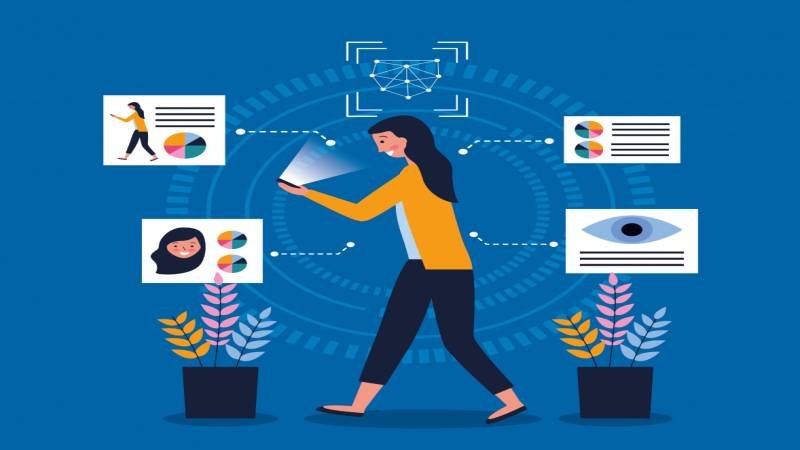
How Avatars Help Build a Stronger Digital Identity
In today’s digital-first world, people spend a significant portion of their time online. Whether interacting through social media, participating in virtual meetings, gaming with friends, learning through online courses, or building a professional network, digital platforms have become an essential part of everyday life. As a result, the way individuals present themselves online has become increasingly important. One of the most effective tools for creating a memorable online presence is the avatar.
An avatar is a visual representation of a person in a digital environment. Unlike traditional profile photos, avatars offer greater flexibility and personalization. They can be realistic, illustrated, animated, minimalist, or completely imaginative. This freedom allows users to create a representation that reflects their personality, interests, and goals while standing out in crowded online spaces.
The growing popularity of avatars is closely tied to the evolution of online communication. In the early days of the internet, text-based interactions dominated online communities. Today, visual content plays a much larger role in how people communicate and connect. A unique avatar can quickly convey identity and make a lasting impression, even before a conversation begins.
One of the biggest advantages of avatars is self-expression. People often use avatars to showcase aspects of their personality that may not be immediately apparent through a standard photograph. An artist might choose a creative illustration, a gamer may design a fantasy-inspired character, and a business professional might opt for a polished digital portrait. These choices help individuals communicate who they are in a visual and engaging way.
Privacy is another major reason why many people prefer avatars. Sharing personal photos online is not always comfortable or practical. Concerns about privacy, security, and data protection have led many users to seek alternatives. Avatars allow people to participate actively in digital communities without revealing personal images, offering a balance between visibility and privacy.
The rise of personal branding has further increased the demand for custom avatars. Professionals, entrepreneurs, freelancers, and content creators all benefit from having a recognizable visual identity. Consistent branding across websites, social media platforms, and professional profiles helps audiences remember and recognize individuals more easily. A distinctive avatar can become a key component of that brand identity.
Social media platforms have embraced avatars as a creative way for users to personalize their profiles. Many people enjoy experimenting with different styles and designs that reflect their interests or current trends. Avatars can help profiles stand out and encourage greater engagement, particularly on platforms where visual content plays a central role.
Gaming has been one of the most influential industries in the development of avatar culture. Players often spend considerable time customizing their in-game characters to create a unique identity within virtual worlds. These avatars frequently become extensions of the players themselves, allowing them to express individuality and connect with others through shared experiences. The popularity of gaming has helped normalize avatar use across many other digital environments.
Remote work has also contributed to the growing relevance of avatars. Virtual meetings, collaboration tools, and online workspaces often require profile images. While some professionals use headshots, others prefer avatars that combine professionalism with a touch of creativity. This approach allows individuals to maintain a consistent online identity while adding a personalized element to workplace communication.
Educational institutions are increasingly incorporating avatars into virtual learning environments. Students participating in online classes, discussion forums, and collaborative projects often use avatars to represent themselves. This can make digital learning spaces feel more engaging and interactive, helping students feel connected even when learning remotely.
Advancements in technology have made avatar creation easier than ever before. In the past, creating a custom avatar often required artistic skills or specialized software. Today, user-friendly design platforms allow anyone to create personalized digital representations within minutes. Many people use an avatar maker to design unique avatars that reflect their personality, profession, or online brand without needing extensive design experience.
Businesses have also recognized the value of avatars in customer engagement. Virtual assistants, support agents, and chatbot interfaces often feature avatar-based designs to create a more approachable and human-centered experience. Visual representations can make interactions feel friendlier and help establish stronger connections between brands and users.
The growth of virtual reality and immersive digital experiences has expanded the role of avatars even further. In virtual environments, avatars serve as the primary way users interact with others. Detailed customization options allow individuals to create highly personalized digital identities that enhance immersion and foster social interaction.
Psychological studies suggest that avatars can influence both behavior and perception. People often select avatars that represent how they see themselves or how they would like to be perceived by others. This process of digital self-representation can encourage creativity, confidence, and experimentation while providing opportunities for personal expression.
As digital communication continues to evolve, visual identity will become even more important. Online communities are increasingly crowded, and users need effective ways to distinguish themselves. A well-designed avatar offers a simple yet powerful solution by combining recognition, creativity, and personal branding into a single visual element.
Artificial intelligence and advanced design technologies are expected to further transform avatar creation in the coming years. Future avatars may include realistic animations, voice synchronization, real-time facial expressions, and enhanced customization options. These developments will make digital interactions more immersive and allow users to create even more authentic online representations.
The appeal of avatars extends across generations and industries because they address multiple needs at once. They provide privacy for those who prefer not to share personal photos, branding opportunities for professionals and creators, and creative freedom for individuals who want to express themselves visually. This versatility ensures that avatars will remain relevant as digital communication continues to evolve.
Ultimately, avatars have become much more than profile pictures. They are powerful tools for identity, communication, and creativity in the modern digital landscape. Whether used for professional networking, social interaction, gaming, education, or content creation, avatars help people establish meaningful connections and build memorable online presences.
As technology continues to shape the future of communication, the importance of digital identity will only increase. Personalized avatars offer a practical and engaging way to navigate that future, giving individuals greater control over how they present themselves and interact with the world online. See more.