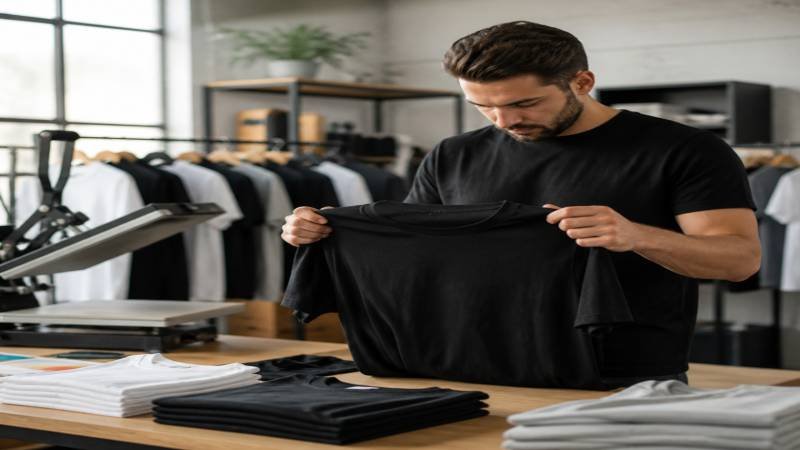
In a world saturated with digital advertising and fleeting social media impressions, physical branding has made a powerful comeback. Custom t-shirts have emerged as one of the most effective, cost-efficient, and versatile tools for businesses, creators, and communities looking to establish a lasting visual identity. Whether you are launching a startup, organizing a team event, or building a merchandise line, a well-designed custom shirt communicates your message every time it is worn. The question is no longer whether to invest in custom apparel — it is how to do it right.
The Rise of Custom Apparel in Modern Branding
Custom t-shirts have evolved far beyond simple promotional giveaways. Today, they serve as wearable brand ambassadors, community identifiers, and even fashion statements. Small businesses use them to create cohesion among staff. Nonprofits use them to rally supporters around a cause. Musicians and artists use them to monetize their fan base. The versatility of the custom t-shirt is unmatched in the world of branded merchandise.
What makes this medium so powerful is its accessibility. Unlike billboards or television spots, a custom t-shirt requires a relatively modest investment while delivering repeated impressions over months or even years. Every time someone wears your shirt in public, your brand gets exposure — organically, authentically, and without additional cost.
From Concept to Wearable Product
The journey from a design idea to a finished, wearable product involves several important decisions. First, you need to determine your printing method. Screen printing remains popular for large runs due to its durability and vibrant color output. Direct-to-film (DTF) printing has gained significant traction for its ability to handle complex, full-color designs with precision. Heat transfer vinyl is another option, particularly for smaller batches or personalized items. Each method has its strengths, and the right choice depends on your order volume, design complexity, and budget.
If you are new to the world of custom printing and want to understand the technical side of things, learning how to start custom t-shirt printing using a t-shirt press and DTF is an excellent starting point. Understanding the equipment and process helps you make informed decisions, whether you plan to print in-house or work with a professional service.
Design Principles That Make Custom Shirts Stand Out
A great custom t-shirt begins with a great design. This sounds obvious, but many brands underestimate how much design quality affects the final product’s impact. A cluttered, poorly scaled, or low-resolution graphic will look unprofessional regardless of how advanced the printing technology is. Conversely, a clean, intentional design can elevate even a basic cotton tee into something people genuinely want to wear.
Key Design Considerations
When creating artwork for custom shirts, keep the following principles in mind. First, think about placement. The chest, back, and sleeve are the most common print locations, each offering a different visual impact. Second, consider color contrast. Your design should be legible and visually striking against the shirt color you choose. Third, scale matters enormously — a design that looks great on a computer screen may need significant adjustment to translate well onto fabric. Finally, always work with vector files or high-resolution raster images to ensure crisp, clean output at any size.
Typography is another critical element. The fonts you choose communicate personality and tone. A bold sans-serif conveys confidence and modernity, while a hand-lettered script suggests creativity and warmth. Whatever style you choose, ensure readability is never sacrificed for aesthetics.
Fabric and Fit: The Foundation of a Quality Custom Shirt
Even the most stunning print will fall flat if the shirt itself is uncomfortable or poorly constructed. Fabric selection is a foundational decision that affects how the shirt feels, how it holds up after washing, and how the print adheres to the surface. Cotton remains the gold standard for comfort and printability, though blended fabrics offer added durability and moisture-wicking properties that make them ideal for athletic or outdoor use.
Fit is equally important. A shirt that fits well looks intentional and professional. For those interested in understanding how fit and construction affect the overall quality of a garment, this comprehensive guide to made-to-measure shirts offers valuable insight into how tailoring principles apply to shirt design and sizing. While custom t-shirts are not tailored in the traditional sense, understanding fit fundamentals helps you select the right blank garment for your audience.
Choosing the Right Blank Garment
Not all blank t-shirts are created equal. Weight, weave, and construction vary significantly across brands and price points. Heavier shirts tend to feel more premium and hold their shape better over time, while lighter options are more breathable and comfortable in warm climates. When ordering custom shirts for a professional setting or retail sale, investing in a quality blank garment pays dividends in customer satisfaction and brand perception.
Fast Shirt Factory: A Reliable Partner for Custom Apparel
For sourcing high-quality custom t-shirts with fast turnaround times, working with a trusted production partner makes all the difference. Fast Shirt Factory has built a strong reputation for delivering professionally printed custom apparel with speed and consistency. Whether you need a small run for a local event or a large order for a growing brand, their streamlined production process ensures your shirts arrive on time and meet your quality expectations.
What sets a reliable custom shirt provider apart is not just the printing quality, but the entire customer experience — from design support and material selection to packaging and delivery. Businesses and individuals who need dependable results without the stress of managing production logistics benefit greatly from partnering with an experienced team that understands the nuances of custom apparel at scale.
Scaling Your Custom T-Shirt Strategy
Once you have established a successful custom shirt design and production workflow, scaling becomes the next logical step. Many brands begin with a single design and gradually expand into full collections, seasonal releases, or limited-edition drops. This approach builds anticipation among your audience and creates a sense of exclusivity that drives demand.
Building a Merchandise Ecosystem
Custom t-shirts rarely exist in isolation within a successful brand strategy. They are often the entry point into a broader merchandise ecosystem that includes hoodies, hats, tote bags, and accessories. Consistency in design language across all products reinforces brand identity and creates a cohesive visual experience for your audience. As your brand grows, your merchandise line can become a meaningful revenue stream in its own right.
Conclusion: Invest in Custom Apparel With Intention
Custom t-shirts represent one of the most tangible and enduring forms of brand expression available today. When approached with thoughtful design, quality materials, and a reliable production partner, they deliver exceptional value — both in terms of brand visibility and audience connection. Whether you are just starting out or looking to elevate an existing merchandise strategy, the fundamentals remain the same: design with purpose, choose quality, and work with partners who share your commitment to excellence. The result is not just a shirt — it is a statement that your brand is serious, professional, and here to stay. See more.